
Economy
-

Vietnam’s Semiconductor Strategy: Between Opportunity and Strategic Constraint
Guest Article by Léane Noirot Vietnam is pushing to move up the semiconductor value chain from assembly into chip design and fabrication, backed by national strategy and rising foreign investment. Its success will depend on managing infrastructure, capital, and geopolitical pressures amid intensifying US–China competition. Vietnam has entered a decisive phase…
-

How China’s AI Momentum Reflects the Strength of Its Economic Playbook
China’s rise in artificial intelligence reflects the strength of its state-directed economic playbook, which mobilizes capital, talent, and local governments around national priorities. Unlike the US’ predominantly market-led model, China’s centralized political authority combined with decentralized economic competition enables rapid policy execution and industrial coordination. Though prone to inefficiencies, this…
-
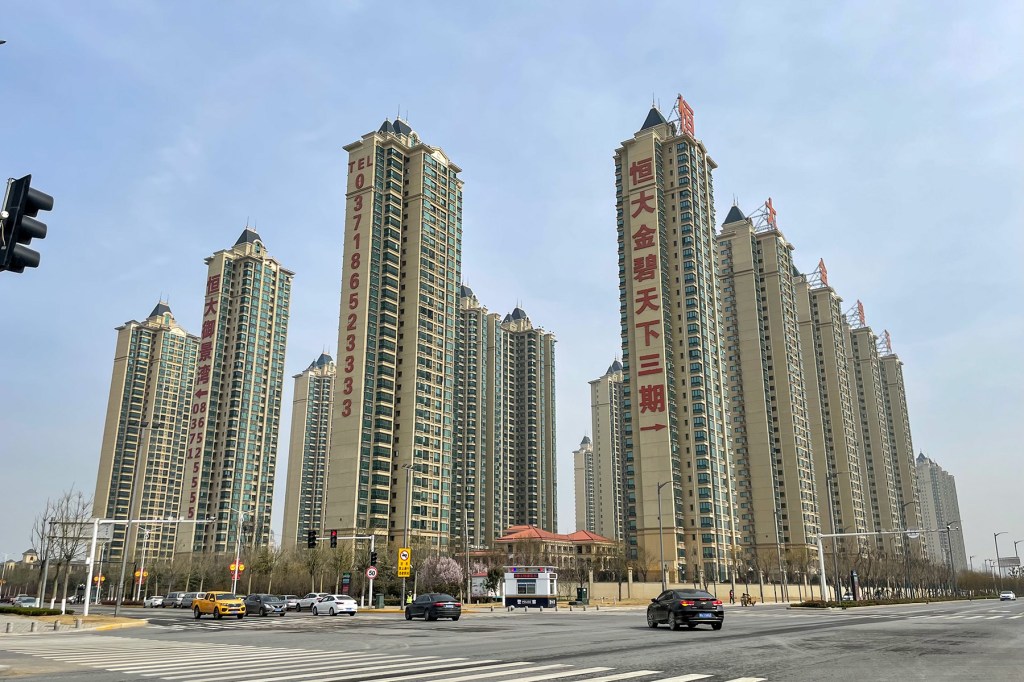
China’s Japan Moment: Why Beijing’s Next Few Years Could Decide a “Lost Decade”
In the late 1980s, Japan’s rise felt inevitable with the second-largest economy in the world. The country had in the past decades transformed into a manufacturing powerhouse, with its share of world trade increasing to nearly 10%. Then, the story flipped, as a currency shock collided with an asset bubble…
-
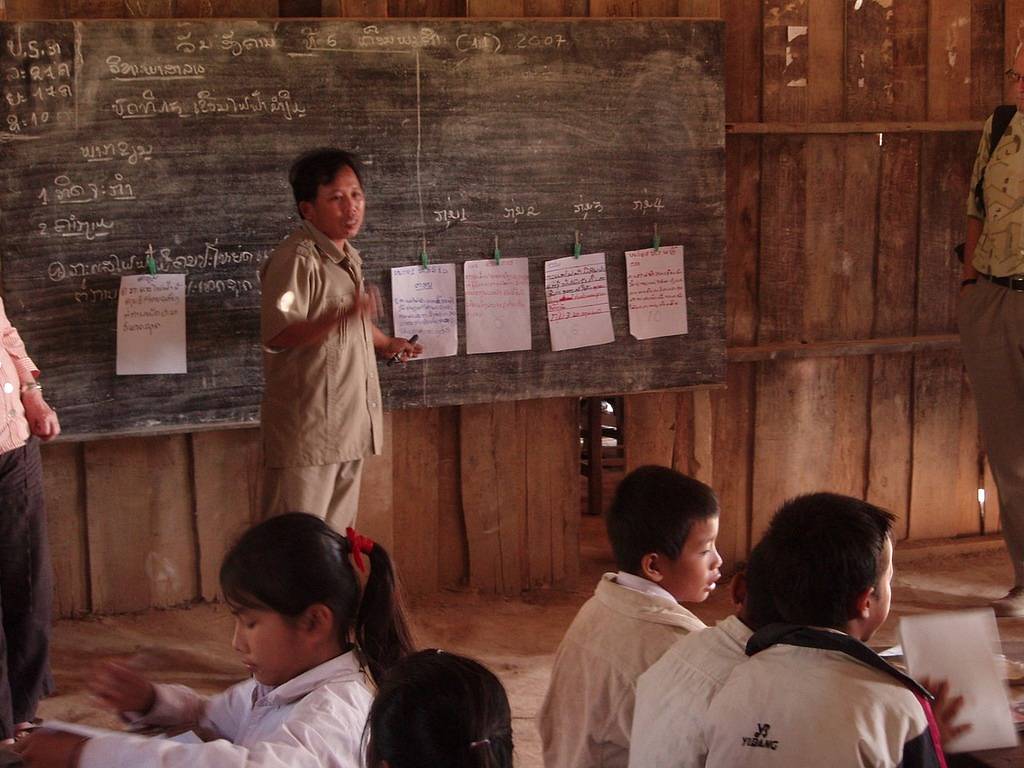
Reprioritising Education for Effective Poverty Reduction in Lao PDR
While Laos has made progress in reducing poverty, a deeper problem remains hidden beneath the numbers. Today, poverty is no longer determined by where people live, but rather by whether children finish school. Education deprivation has become the bottleneck in solving Laos’s poverty issue, yet current developmental policies continue to…
-

Malaysia in the Middle of the AI Stack: How Capital Flows are Reshaping Supply Chains
While all eyes in the AI boom are centered on innovation and competition between American and Chinese firms, capital is quietly flowing into the infrastructure that underpins this long-term growth trajectory. Malaysia’s growing role as a key player in the middle of the AI stack, with its environment conducive to…
 Sino-Southeast Initiative