
Economy
-

Who Will Build ASEAN’s Digital Future? The Education and Talent Gap Behind the Region’s Digital Economy
ASEAN’s digital economy is expanding rapidly, with e-commerce, AI, data centres, and regional digital frameworks positioning the region for major growth by 2030. Yet this progress rests on a fragile foundation: ASEAN does not have enough digitally skilled workers to sustain the scale of its ambitions. Weak early digital education,…
-
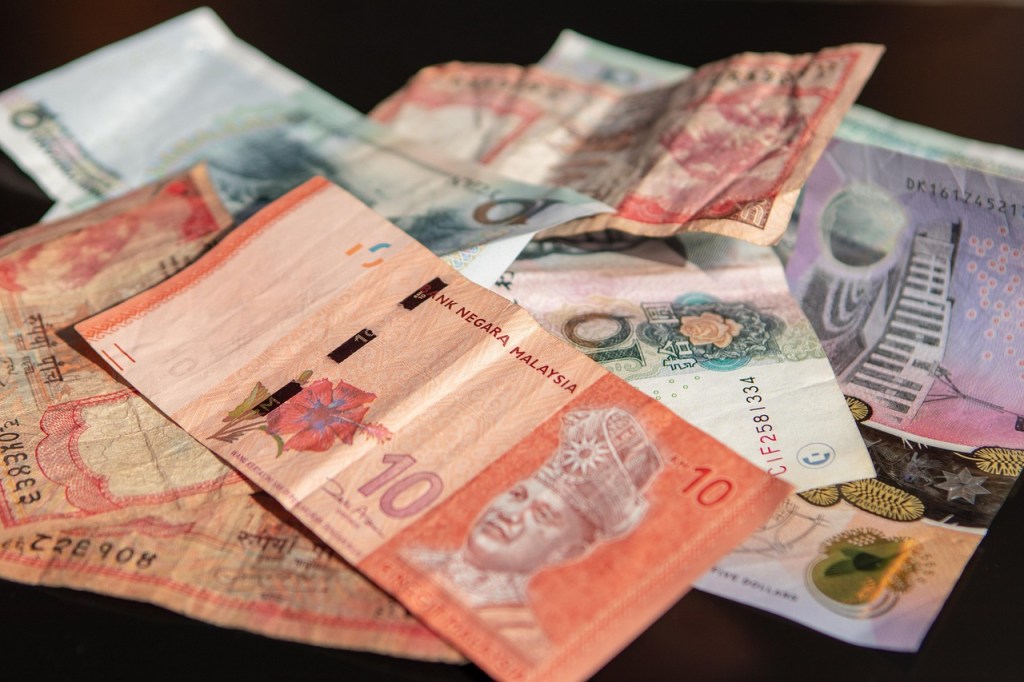
The Ringgit Myth: Why Malaysia’s Export Machine Doesn’t Need a Weak Currency to Win
Does a stronger ringgit really hurt Malaysia’s exports? While economic intuition may suggest yes, the data says otherwise. Despite a rising currency, exports hit record highs. Why? Real competitiveness is not about low prices and a weak currency. It’s about technology, supply chains, and global demand, all structural economic factors.…
-
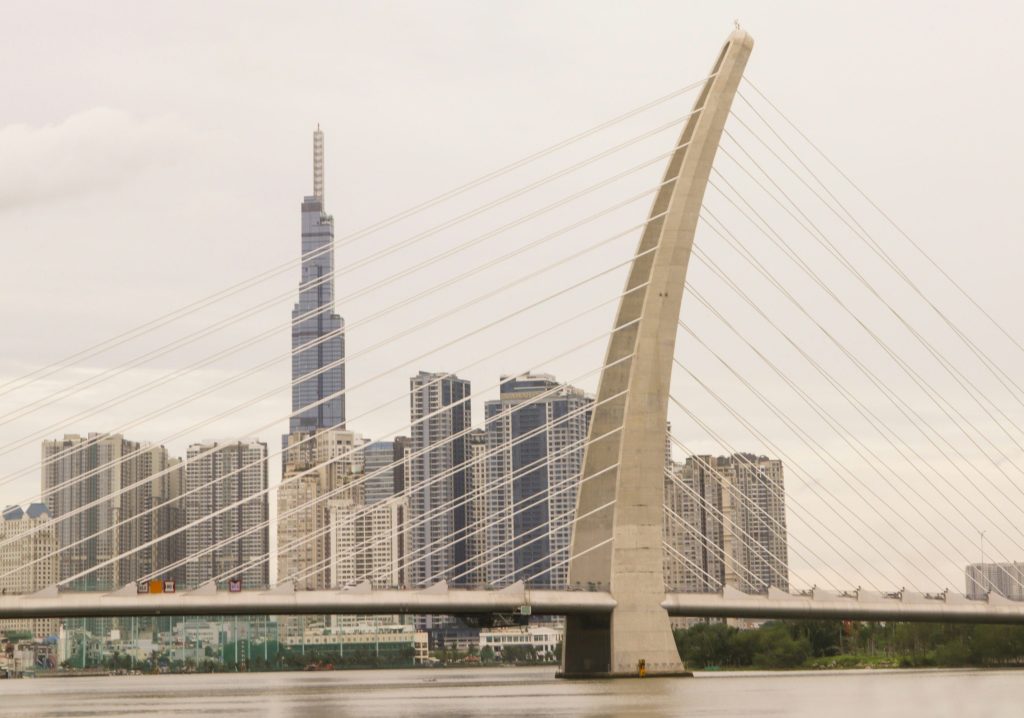
Vietnam’s Semiconductor Strategy: Between Opportunity and Strategic Constraint
Guest Article by Léane Noirot Vietnam is pushing to move up the semiconductor value chain from assembly into chip design and fabrication, backed by national strategy and rising foreign investment. Its success will depend on managing infrastructure, capital, and geopolitical pressures amid intensifying US–China competition. Vietnam has entered a decisive phase…
-

How China’s AI Momentum Reflects the Strength of Its Economic Playbook
China’s rise in artificial intelligence reflects the strength of its state-directed economic playbook, which mobilizes capital, talent, and local governments around national priorities. Unlike the US’ predominantly market-led model, China’s centralized political authority combined with decentralized economic competition enables rapid policy execution and industrial coordination. Though prone to inefficiencies, this…
-
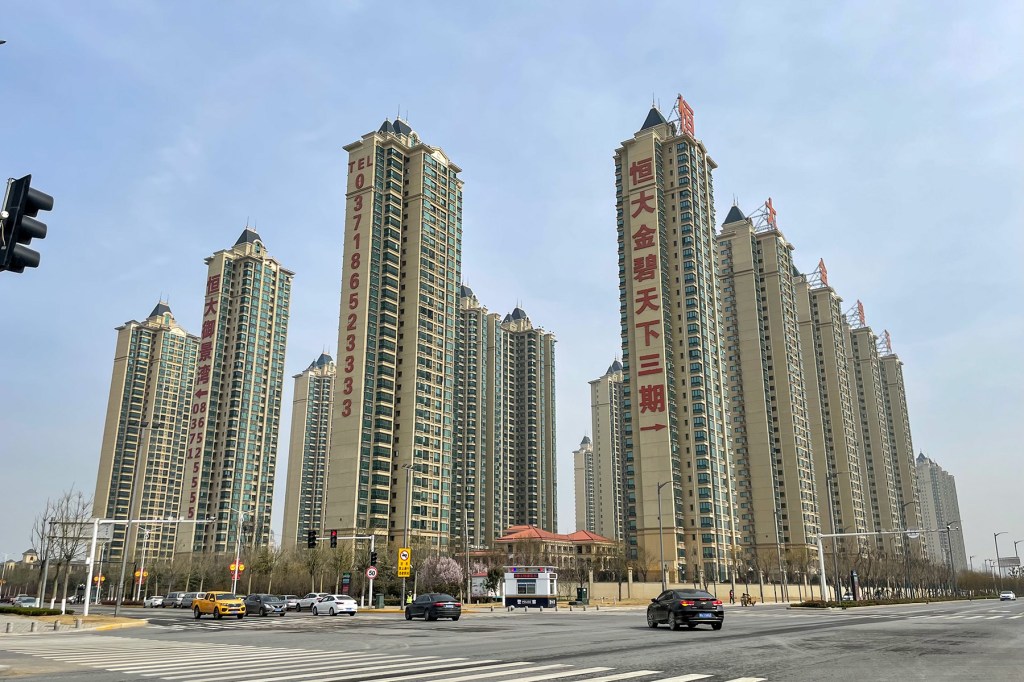
China’s Japan Moment: Why Beijing’s Next Few Years Could Decide a “Lost Decade”
In the late 1980s, Japan’s rise felt inevitable with the second-largest economy in the world. The country had in the past decades transformed into a manufacturing powerhouse, with its share of world trade increasing to nearly 10%. Then, the story flipped, as a currency shock collided with an asset bubble…

