
Economy
-

China’s Semiconductor Investment Defies Economics—But Makes Perfect Strategic Sense
In 2024, China launched the third instalment of its National Integrated Circuit Industry Investment Fund, a $48 billion investment vehicle to turbocharge the nation’s semiconductor industry, even as it continues to lag behind industry leaders. The country has decided to double down on what appears to be an economically irrational…
-
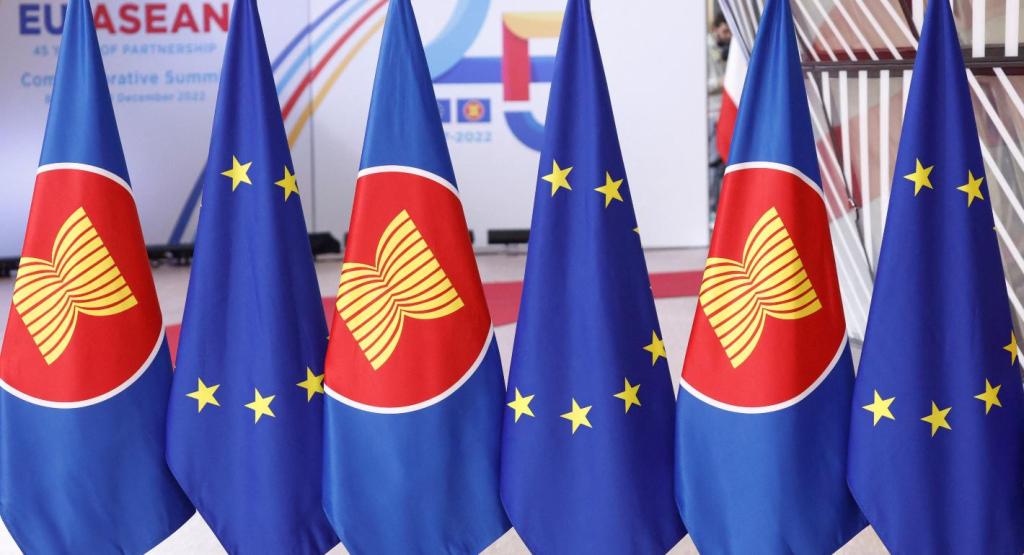
The Strategic Relations of ASEAN and the EU: Trade, Green Economy, Geopolitics
Guest Article by Jit Soon Aw Once colonial, now collaborative: the EU and ASEAN are evolving history’s imbalance into a mutually lucrative partnership. The Association of Southeast Asia Nations (ASEAN) and the European Union (EU) are undoubtedly two of the most successful regional blocs with the shared aim of enhancing…
-
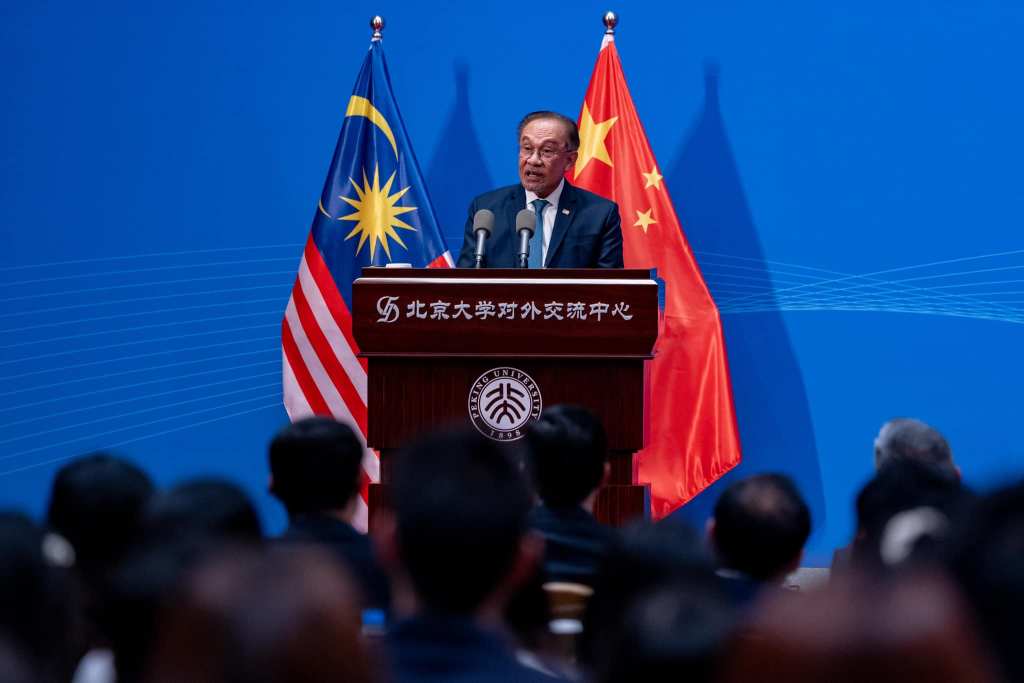
The Tariff War Will Cost Malaysia More Than Trade
US tariffs threaten the Malaysian economy beyond the simple reduction of trade, placing the crucial solar panel and semiconductor industries on a careful balance. Western and Chinese firms comprise a significant amount of Malaysia’s production capacity in these sectors, but the tariffs are pressuring many to leave. To maintain its…
-

Singapore’s Crypto Clampdown: Can Regulation Build the Next Fintech Hub?
As global regulators scramble to restore trust in digital finance, Singapore is charting a path that few others dare to follow. While much of the crypto world eyes a rebound driven by new capital, token launches, and looser rules, Singapore is moving in the opposite direction—tightening consumer protections, raising compliance…
-

The First 15 Years of China’s Reform and Opening-Up: A Critical Restructuring of Incentives
Out of three decades of political and economic volatility came a shift in Chinese economic policy in 1978, bringing about a transition into the market economy China is today. The first 15 years of China’s 1978 reforms is a unique story, achieving fundamental economic changes unseen in its authoritarian hierarchical…

