
Politics
-

China’s Geopolitical Blind Spot: Why Beijing Can’t Navigate the New Middle East
China’s growing economic footprint in the Middle East has not been matched by a corresponding geopolitical strategy capable of navigating the region’s persistent security dilemmas. In fact, Beijing’s adherence to non-intervention, quasi-mediatory diplomacy, and strategic risk aversion has constrained its ability to shape regional outcomes, ultimately limiting its influence at…
-

How China’s AI Momentum Reflects the Strength of Its Economic Playbook
China’s rise in artificial intelligence reflects the strength of its state-directed economic playbook, which mobilizes capital, talent, and local governments around national priorities. Unlike the US’ predominantly market-led model, China’s centralized political authority combined with decentralized economic competition enables rapid policy execution and industrial coordination. Though prone to inefficiencies, this…
-

ASEAN’s Data Governance Strategy
The ASEAN Digital Masterplan aims to triple the size of the regional digital economy by 2030. To build effective technological infrastructure against the backdrop of bipolar competition, ASEAN states must pursue a standardized data governance approach to protect citizens, information, and economic viability. Background: Expansive Digital Economy ASEAN states have…
-

From Beijing to Strategic Autonomy: How Carney’s China Agreement Revives the Third Option
Mark Carney’s landmark trade agreement with China—reducing Canadian EV tariffs to 6.1% in exchange for slashed canola tariffs—proves that Canada’s long-failed quest for strategic autonomy can succeed. But only when built on power, not ideology: Carney is fixing Pierre Trudeau’s Third Option by securing material strength first, then diversifying from…
-
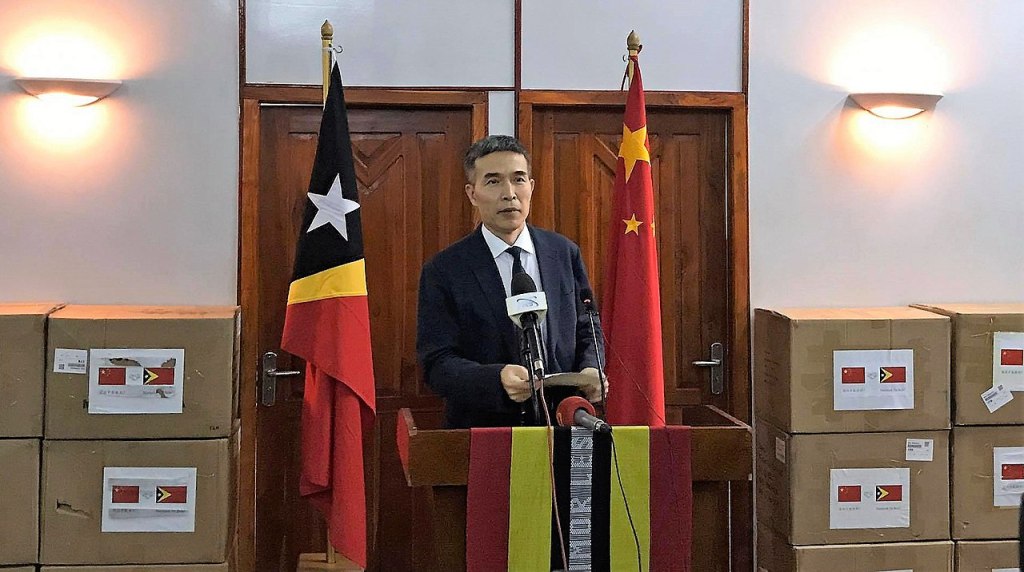
Plugging Timor-Leste Into ASEAN: Could China Power the Region’s Next Great Integration?
Timor-Leste’s entry into ASEAN exposes a structural weakness in the region’s energy integration. The ASEAN Power Grid promises resilience through connectivity but remains vulnerable if new and weaker members stay outside its core infrastructure. With Timor-Leste reliant on costly diesel and lacking interconnections, external support is unavoidable. China’s deep experience…
 Sino-Southeast Initiative