
China
-

China’s Geopolitical Blind Spot: Why Beijing Can’t Navigate the New Middle East
China’s growing economic footprint in the Middle East has not been matched by a corresponding geopolitical strategy capable of navigating the region’s persistent security dilemmas. In fact, Beijing’s adherence to non-intervention, quasi-mediatory diplomacy, and strategic risk aversion has constrained its ability to shape regional outcomes, ultimately limiting its influence at…
-

How China’s AI Momentum Reflects the Strength of Its Economic Playbook
China’s rise in artificial intelligence reflects the strength of its state-directed economic playbook, which mobilizes capital, talent, and local governments around national priorities. Unlike the US’ predominantly market-led model, China’s centralized political authority combined with decentralized economic competition enables rapid policy execution and industrial coordination. Though prone to inefficiencies, this…
-
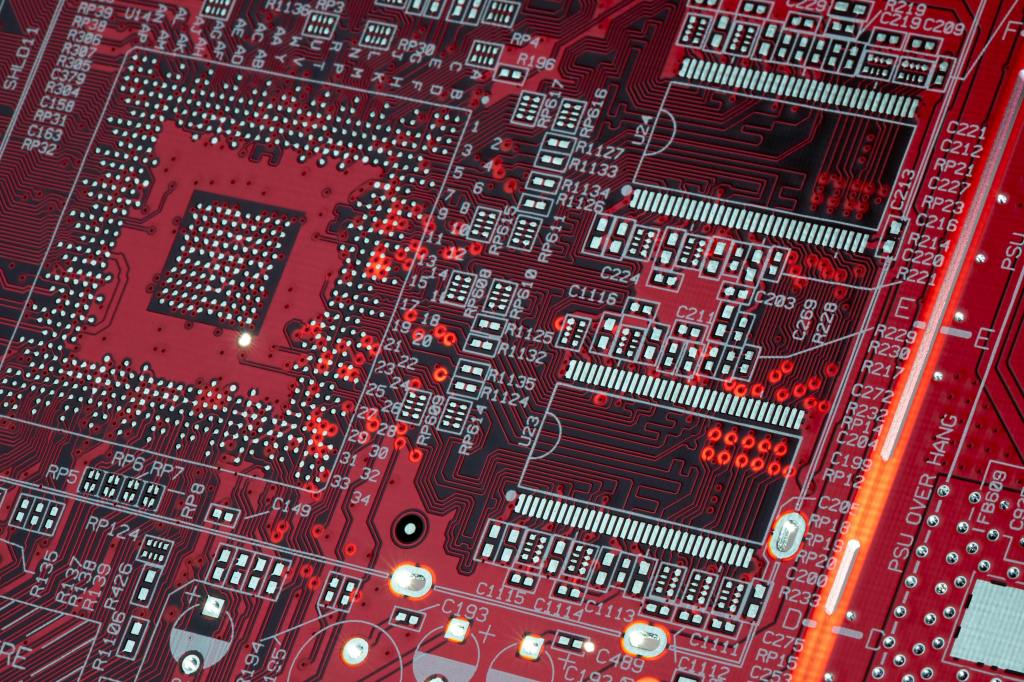
Isolation vis-a-vis Integration: China’s road to AI self sufficiency
Far from crippling China’ technological ambitions, the US sanctions have accelerated Beijing’s transition toward a resilient, state-directed model of AI sovereignty. Through a “Triple Helix” framework that fuses immense state capital, corporate entrepreneurship, and growing R&D power of elite universities, China is systematically replacing foreign dependencies with domestic alternatives. The…
-
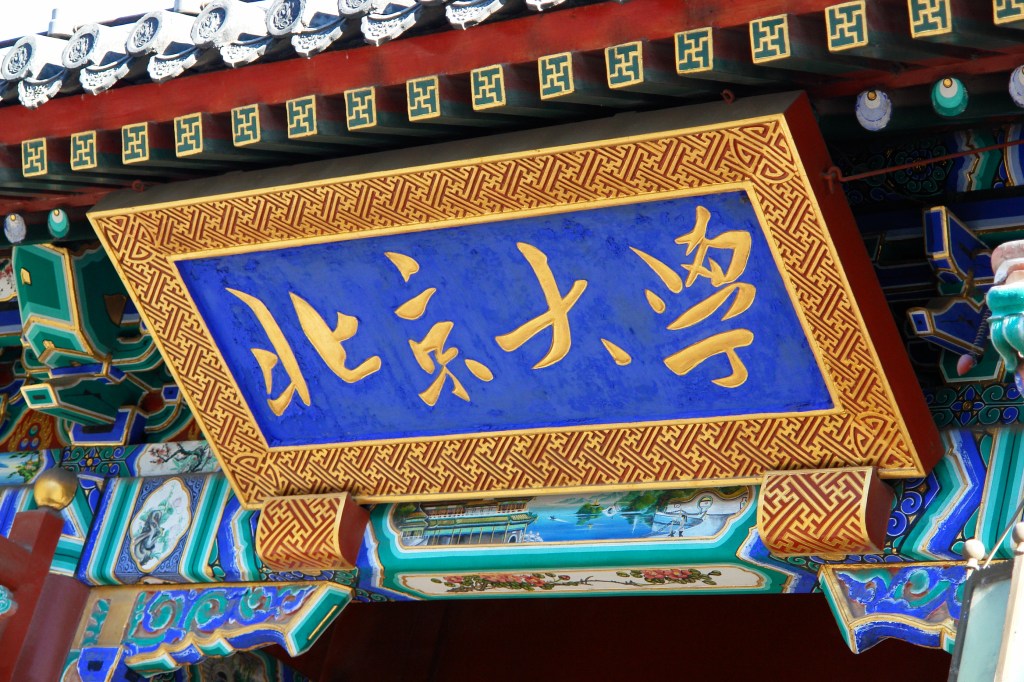
On the Offensive: China’s K-Visa and the Global Race for Talent
Historically, China experienced a sustained exodus of its brightest minds, as students, researchers, and entrepreneurs left for countries offering greater academic freedom and professional opportunity. For decades, Beijing focused on internal reform aimed at stemming its persistent brain drain. On October 1st, 2025, China introduced the K-visa, joining the ranks…
-
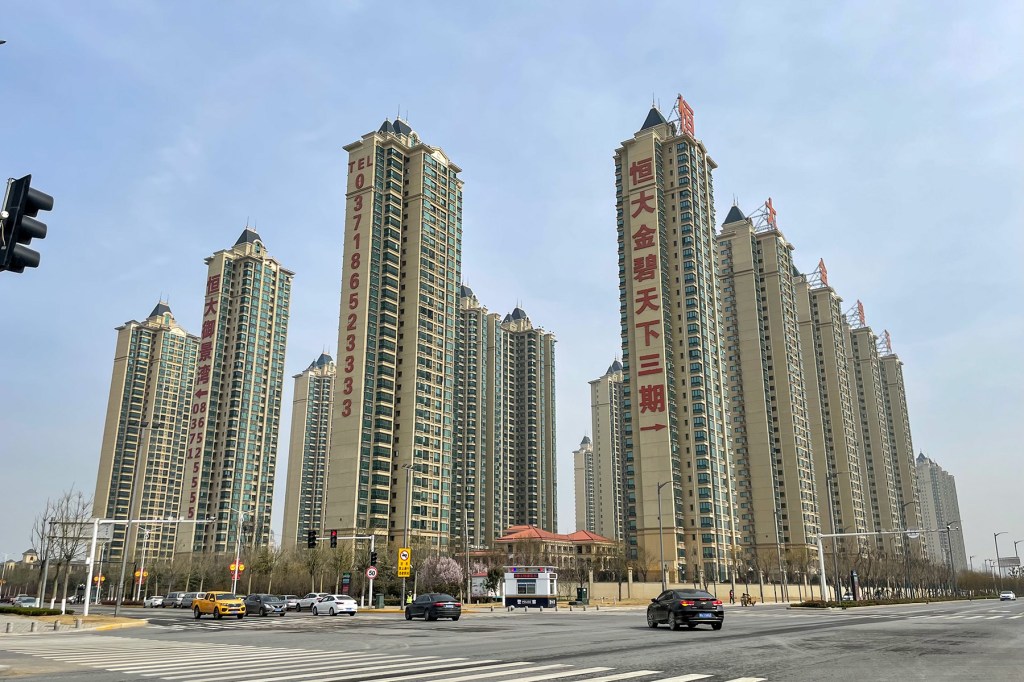
China’s Japan Moment: Why Beijing’s Next Few Years Could Decide a “Lost Decade”
In the late 1980s, Japan’s rise felt inevitable with the second-largest economy in the world. The country had in the past decades transformed into a manufacturing powerhouse, with its share of world trade increasing to nearly 10%. Then, the story flipped, as a currency shock collided with an asset bubble…
 Sino-Southeast Initiative