
US-China rivalry
-

Competition in the Ocean: China’s Vertical Expansion and India’s Horizontal Dominance
As China deepens its strategic footprint through vertical port development and energy corridors, India counters with a horizontally expansive maritime network rooted in historical connectivity. Both powers have increasingly prioritized the Indian Ocean as a geopolitical landscape, where ancient trade routes meet modern rivalries. In their ancient maritime treatises, “Bahr…
-

Korea’s Rise and America’s Retreat in Southeast Asian Defense
As the APEC Economic Leaders’ Meeting convenes in South Korea amid heightened geopolitical tensions, Southeast Asia’s systematic shift toward Korean and European defense systems represents a critical challenge to American strategic influence in the region. While the US pursues renewed engagement through expanded defense agreements and strengthened alliances, Seoul’s emerging…
-

The Promise and Power of BRICS+: A Conversation with Professor Brian Wong
Jonathan Chin, SSI Editor-in-Chief, speaks to Brian Wong, Assistant Professor in Philosophy at the University of Hong Kong. Brian’s research examines the ethics and dynamics of authoritarian regimes and their foreign policies, historical and colonial injustices, and the intersection of geopolitics, political and moral philosophy, and technology. As a geopolitical…
-
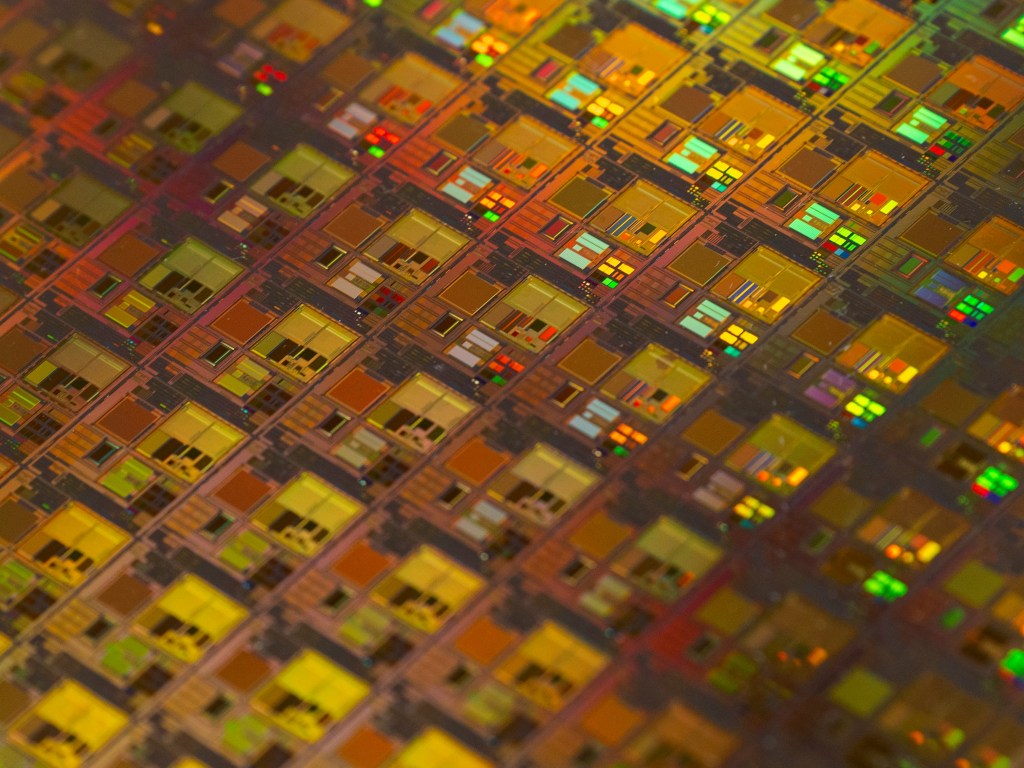
The New Iron Curtains of AI: How US and Chinese Rulebooks Are Rewiring Power
AI policy has become industrial policy, export control, and alliance management at once. Since 2020, Washington and Beijing have converged on a blunt insight: whoever writes the rules for models, chips, and data flows sets the pecking order. Both are building regulatory perimeters that do more than “keep us safe.”…
-
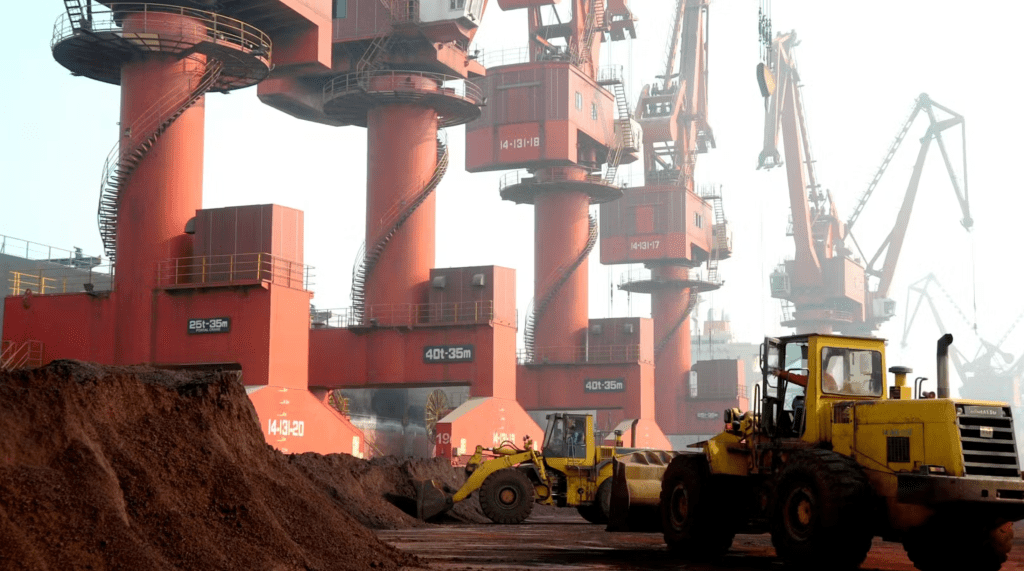
Coercion by the Kilogram: Rare Earths and the Next Phase of US–China Competition
On April 4, 2025, China’s Ministry of Commerce imposed new licensing requirements on exports of seven rare earth elements (REEs) and their associated products, including permanent magnets. While not an outright ban, this move adds regulatory friction to the global supply of critical materials such as samarium, gadolinium, terbium, dysprosium,…
 Sino-Southeast Initiative