
Economy
-
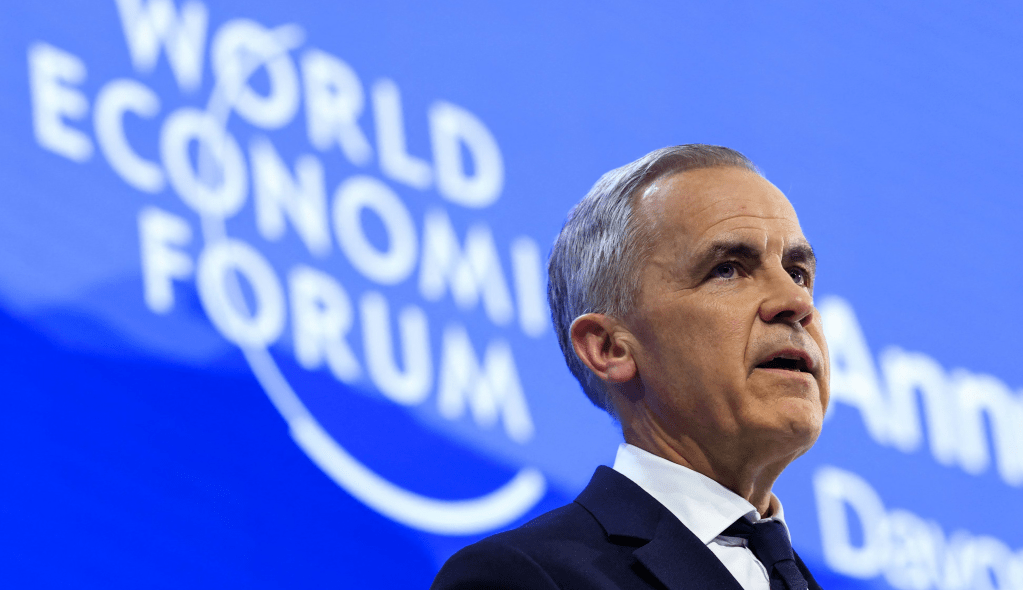
From Beijing to Strategic Autonomy: How Carney’s China Agreement Revives the Third Option
Mark Carney’s landmark trade agreement with China—reducing Canadian EV tariffs to 6.1% in exchange for slashed canola tariffs—proves that Canada’s long-failed quest for strategic autonomy can succeed. But only when built on power, not ideology: Carney is fixing Pierre Trudeau’s Third Option by securing material strength first, then diversifying from…
-
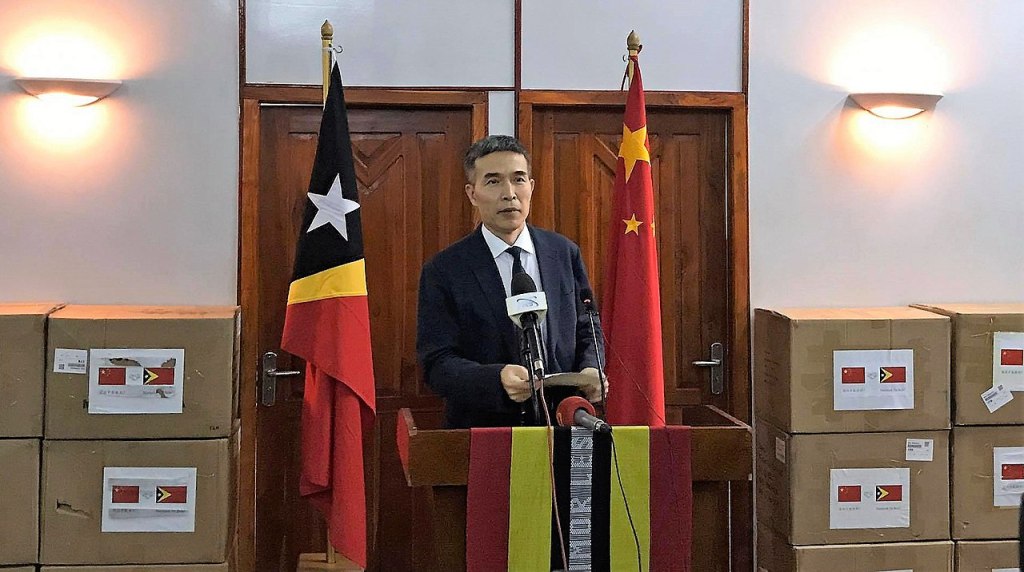
Plugging Timor-Leste Into ASEAN: Could China Power the Region’s Next Great Integration?
Timor-Leste’s entry into ASEAN exposes a structural weakness in the region’s energy integration. The ASEAN Power Grid promises resilience through connectivity but remains vulnerable if new and weaker members stay outside its core infrastructure. With Timor-Leste reliant on costly diesel and lacking interconnections, external support is unavoidable. China’s deep experience…
-
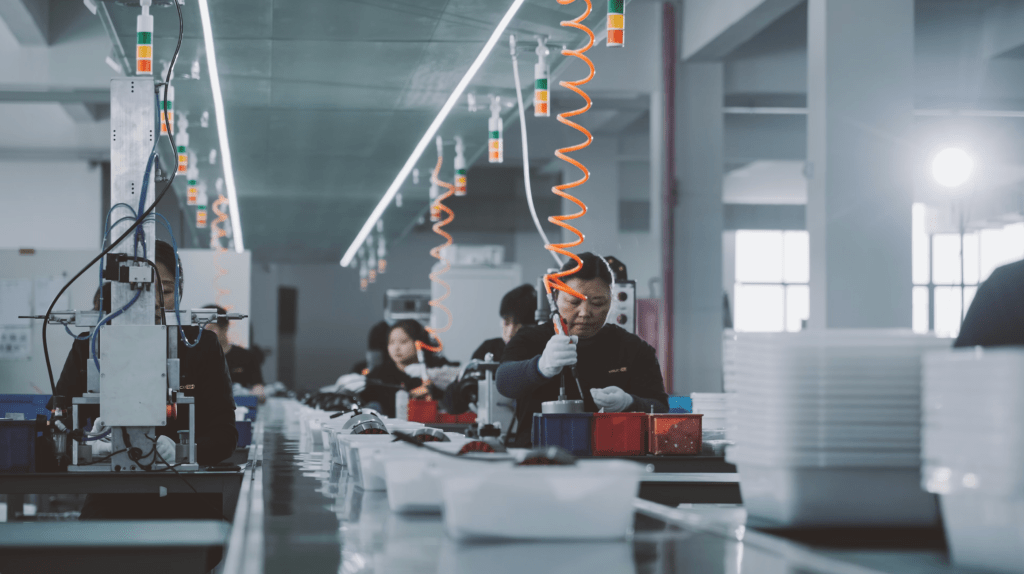
The World’s Factory is Producing Less, and Southeast Asia Stands to Benefit
China’s economy, after dominating global manufacturing for almost three decades, is beginning to mature away from low-cost manufacturing in favour of innovation and high-value sectors. This, combined with higher labour costs and geopolitics, has increasingly pushed mass manufacturers—foreign and Chinese—toward Southeast Asia as an industrial hub. While presenting immense benefits,…
-

Cargo Cult Capitalism: Why Indonesia’s New Sovereign Wealth Fund Won’t Fix the 5% Growth Trap
Guest Article by Nisa Fathia Rahma Indonesia’s struggle to escape its 5% growth ceiling reflects deep institutional constraints rather than a temporary slowdown. While the government has turned to the Danantara sovereign wealth fund to drive development, without regulatory certainty, meritocratic governance, and rule of law, state-directed capital risks reinforcing…
-

Reimagining the Maritime Silk Road: Sustainable Blue Economy as the Next Frontier of China–ASEAN Cooperation
The revival of the Maritime Silk Road through a sustainable blue economy presents both a strategic opportunity and a governance challenge for China and ASEAN. With fisheries collapsing, climate pressures intensifying, and marine industries expanding into trillion-dollar scales, both sides increasingly recognise that fragmented national efforts are no longer viable.…
 Sino-Southeast Initiative