
ASEAN
-
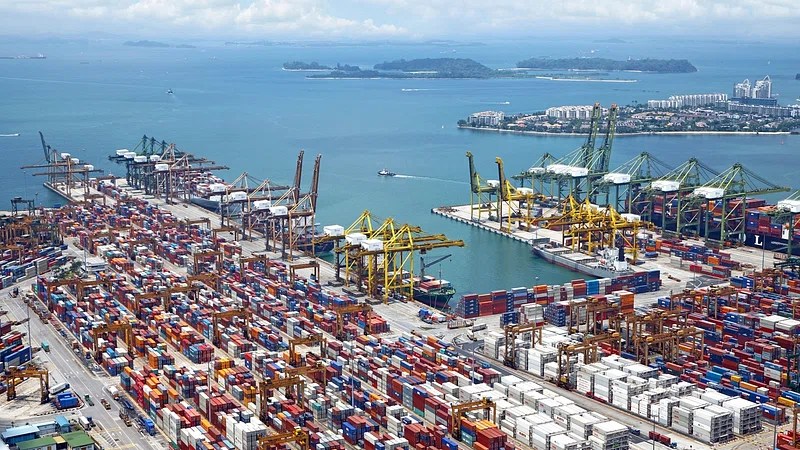
How the Iran War is Revealing Southeast Asia’s Energy Vulnerabilities: Singapore and Cambodia
The recent escalation of the conflict in Iran has sent shockwaves throughout global energy markets, but few regions have felt the structural impacts more intensely than Southeast Asia. Following the closure of the Strait of Hormuz, Singapore and Cambodia have been especially affected. Energy vulnerabilities revealed in these countries, one…
-
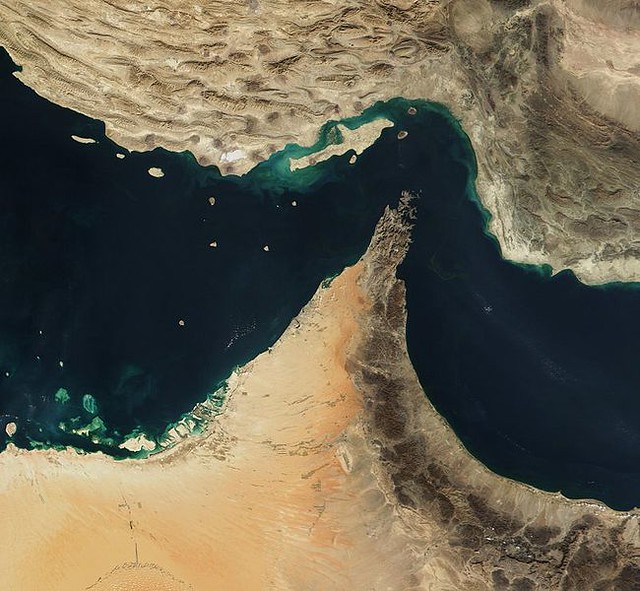
Asia’s Energy Bill for America’s War
The United States and Israel’s war on Iran and the subsequent closure of the Strait of Hormuz has exposed a multitude of critical vulnerabilities in Asia’s energy infrastructure. Japan and South Korea, which import over 70% of their crude oil from the Middle East, have been hit by significant market…
-
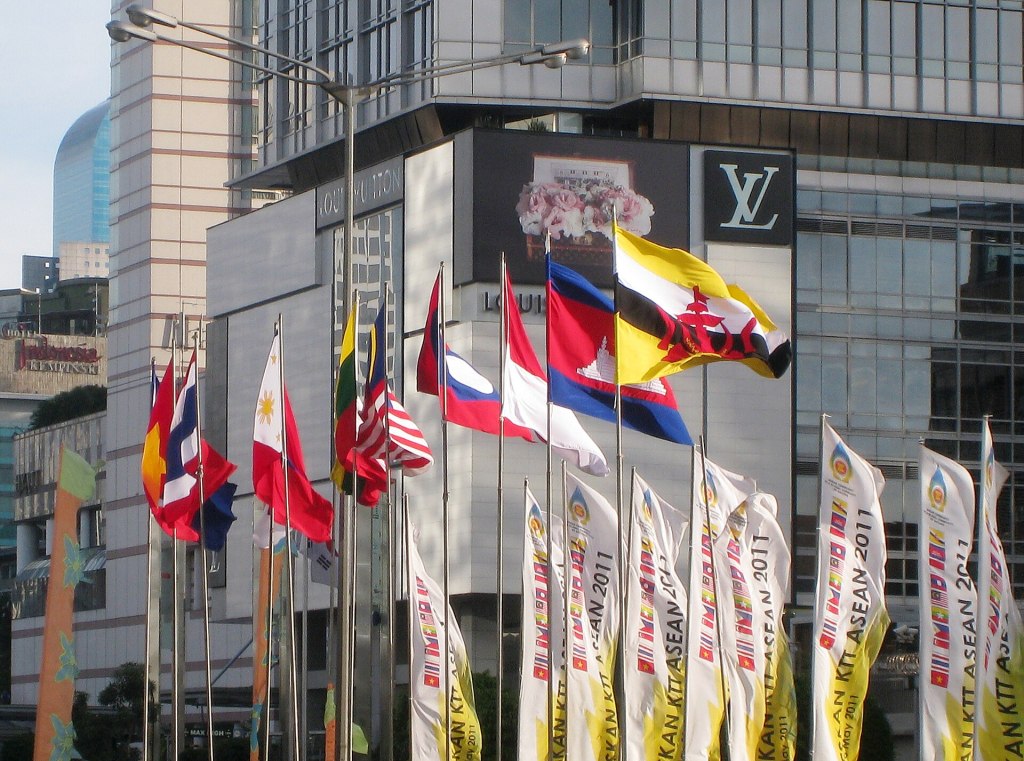
ASEAN’s Data Governance Strategy
The ASEAN Digital Masterplan aims to triple the size of the regional digital economy by 2030. To build effective technological infrastructure against the backdrop of bipolar competition, ASEAN states must pursue a standardized data governance approach to protect citizens, information, and economic viability. Background: Expansive Digital Economy ASEAN states have…
-

Plugging Timor-Leste Into ASEAN: Could China Power the Region’s Next Great Integration?
Timor-Leste’s entry into ASEAN exposes a structural weakness in the region’s energy integration. The ASEAN Power Grid promises resilience through connectivity but remains vulnerable if new and weaker members stay outside its core infrastructure. With Timor-Leste reliant on costly diesel and lacking interconnections, external support is unavoidable. China’s deep experience…
-
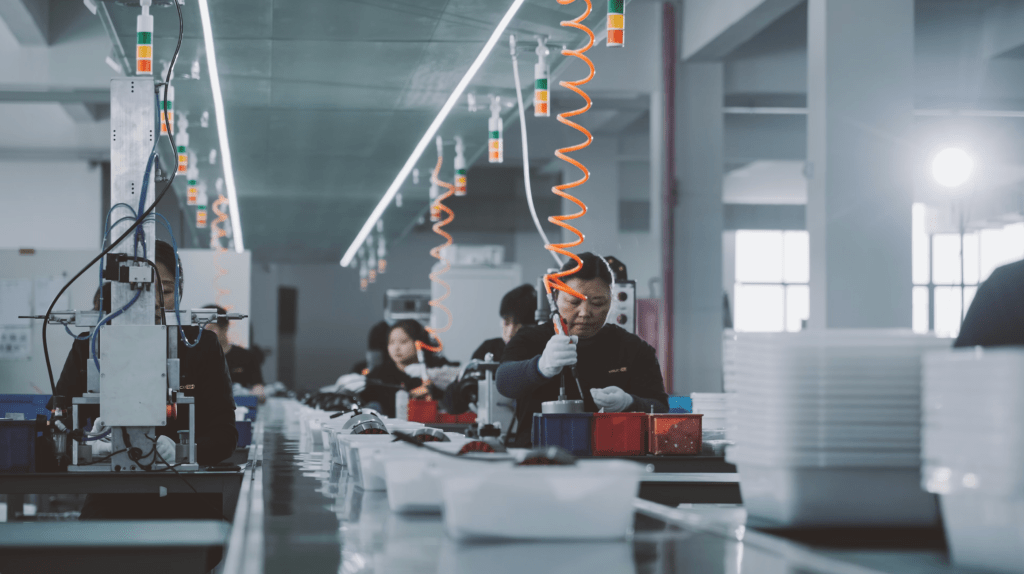
The World’s Factory is Producing Less, and Southeast Asia Stands to Benefit
China’s economy, after dominating global manufacturing for almost three decades, is beginning to mature away from low-cost manufacturing in favour of innovation and high-value sectors. This, combined with higher labour costs and geopolitics, has increasingly pushed mass manufacturers—foreign and Chinese—toward Southeast Asia as an industrial hub. While presenting immense benefits,…

